
‘Rest assured’, this competitive advantage can set you apart
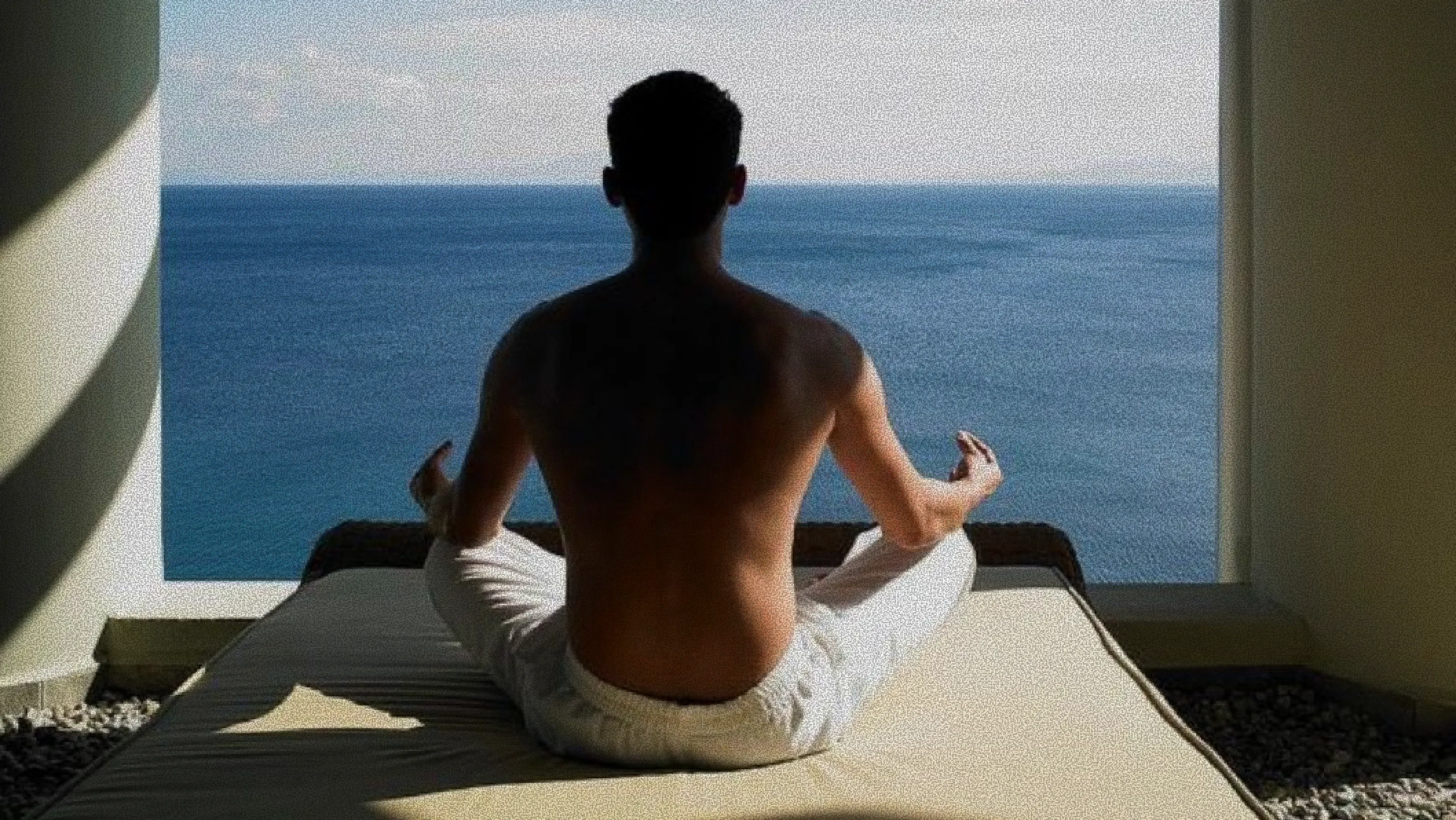
Every ‘eureka’ moment emerged during rest, not grind
Gordon Gekko was wrong when he declared, "Money never sleeps" in Wall Street. Though an entire generation of ambitious professionals internalised it as doctrine, it has yet to show any tangible results for its worshippers. Walk through any airport lounge at 8 AM and you'll see the faithful: McKinsey consultants rehearsing pitch decks on red-eye flights, founders posting "grinding while you're sleeping" to Instagram Stories at 4 AM, VCs answering emails during their kid's soccer game and then bragging about it on Twitter. One of my previous bosses wore it as his ultimate badge of honour: he stayed in the office while his wife was in labor. And I must admit to being one of them. For seven years, building CreditVidya, I wore my exhaustion like a Purple Heart. Five hours of sleep felt like an abundance. I was running the ship. Making decisions. Raising capital. Scaling the team. And from the outside, it looked like success, until my body sent an invoice I couldn't ignore.
First came the slipped disc. Then the stroke. Then the depression that follows when you realise your body has been screaming at you for years, all the while mistaking the alarm to be applause. The decline is so gradual, so invisible, that you convince yourself you're still operating at peak performance. You don't feel yourself becoming less creative, less patient, less human. And by the time you realise it, you've already paid a price you can't calculate - in runway burned, relationships destroyed, and years of your life you'll never get back.
That's when I started questioning everything I thought I knew about success.
Every ‘eureka’ moment emerged during rest, not grind
Gordon Gekko was wrong when he declared, "Money never sleeps" in Wall Street. Though an entire generation of ambitious professionals internalised it as doctrine, it has yet to show any tangible results for its worshippers. Walk through any airport lounge at 8 AM and you'll see the faithful: McKinsey consultants rehearsing pitch decks on red-eye flights, founders posting "grinding while you're sleeping" to Instagram Stories at 4 AM, VCs answering emails during their kid's soccer game and then bragging about it on Twitter. One of my previous bosses wore it as his ultimate badge of honour: he stayed in the office while his wife was in labor. And I must admit to being one of them. For seven years, building CreditVidya, I wore my exhaustion like a Purple Heart. Five hours of sleep felt like an abundance. I was running the ship. Making decisions. Raising capital. Scaling the team. And from the outside, it looked like success, until my body sent an invoice I couldn't ignore.
First came the slipped disc. Then the stroke. Then the depression that follows when you realise your body has been screaming at you for years, all the while mistaking the alarm to be applause. The decline is so gradual, so invisible, that you convince yourself you're still operating at peak performance. You don't feel yourself becoming less creative, less patient, less human. And by the time you realise it, you've already paid a price you can't calculate - in runway burned, relationships destroyed, and years of your life you'll never get back.
That's when I started questioning everything I thought I knew about success.
The most dangerous lie we tell ourselvesEveryone thinks the game is about who can grind the hardest. But the real competitive advantage in startups is about who recovers the fastest. That sounds like self-help bullshit, but it’s actually my story.
After seven years building CreditVidya - seven years of 80-hour weeks, destroyed relationships, and my body literally shutting down - I learned the founders who win are the ones who've optimised their recovery like athletes optimise their training.
Here's what I mean.
When LeBron James invests $1.5 million annually on his body, everyone nods. Of course, he's an elite athlete, and everyone expects him to invest in his health. But when a founder says they're prioritising sleep, leaving the office at 6 PM, or taking a full day off each week, we judge them as non-serious. We've created a culture where the badge of honour is how little you sleep, not how well you perform. And it's killing us and the companies we are trying to build.
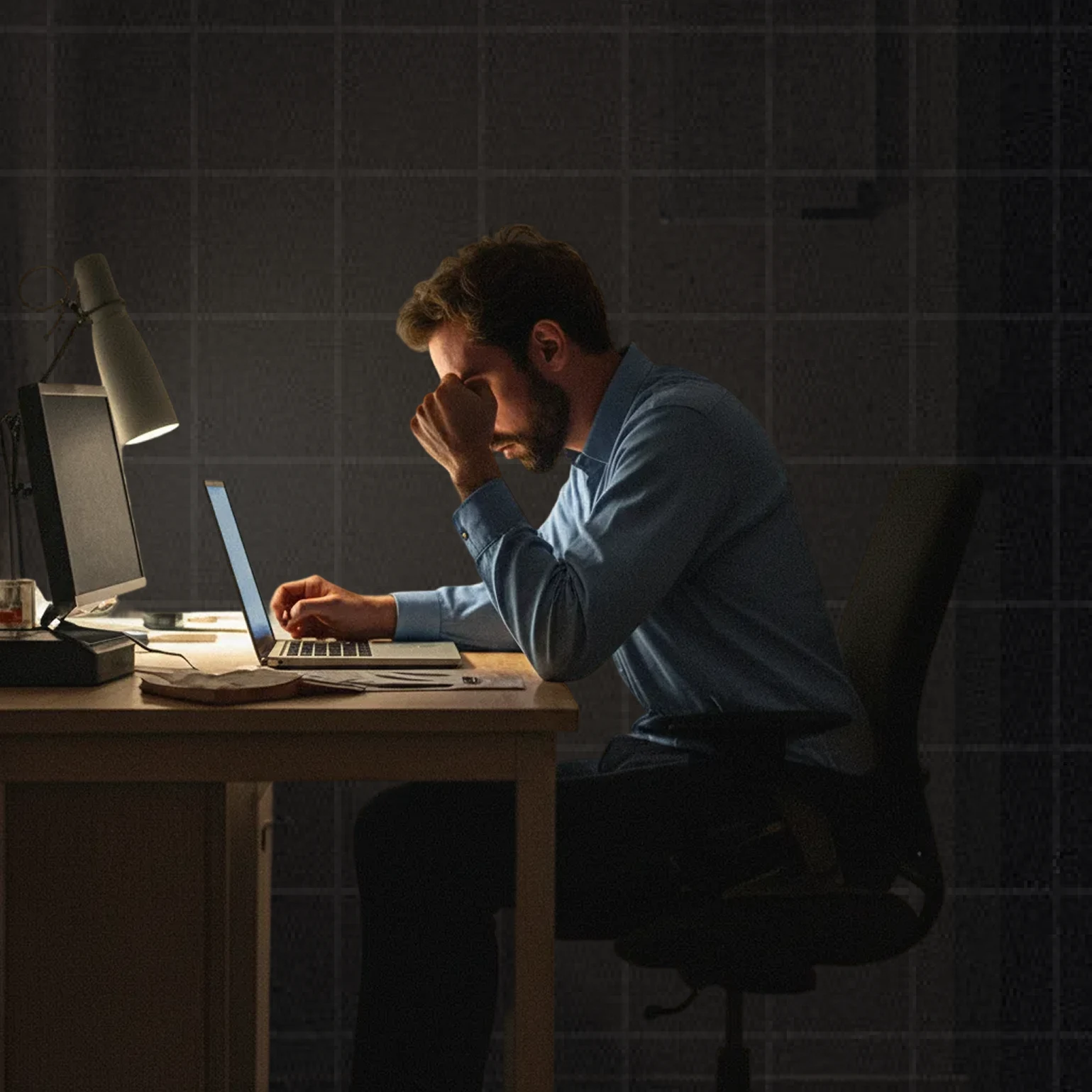
The terrifying truth for foundersNeuroscience says that after 17-19 hours of staying awake, your cognitive performance equals a blood alcohol content of 0.05%, a threshold at which you're legally impaired to drive in most states. But we still think it's ok to make million-dollar decisions in that ‘inebriated’ state. MIT researchers documented a 40% slowdown in reaction times after twenty hours of wakefulness, the same cognitive impairment as mild intoxication.
Research published in Nature shows that sleep-deprived executives shift from loss-avoidance strategies to excessive risk-seeking. Harvard studies found that losing just one hour of sleep per night for a week cuts productivity by 13% and emotional intelligence by 23%.
When you're exhausted, you're biologically wired to take bigger risks while being worse at evaluating them. But here's the truly insidious part: You can't feel it.
Just like I couldn't see that my 2:47 AM decision was insane, you can't perceive your own cognitive impairment when you're sleep-deprived. And your company paid for it in ways you'll never be able to track.
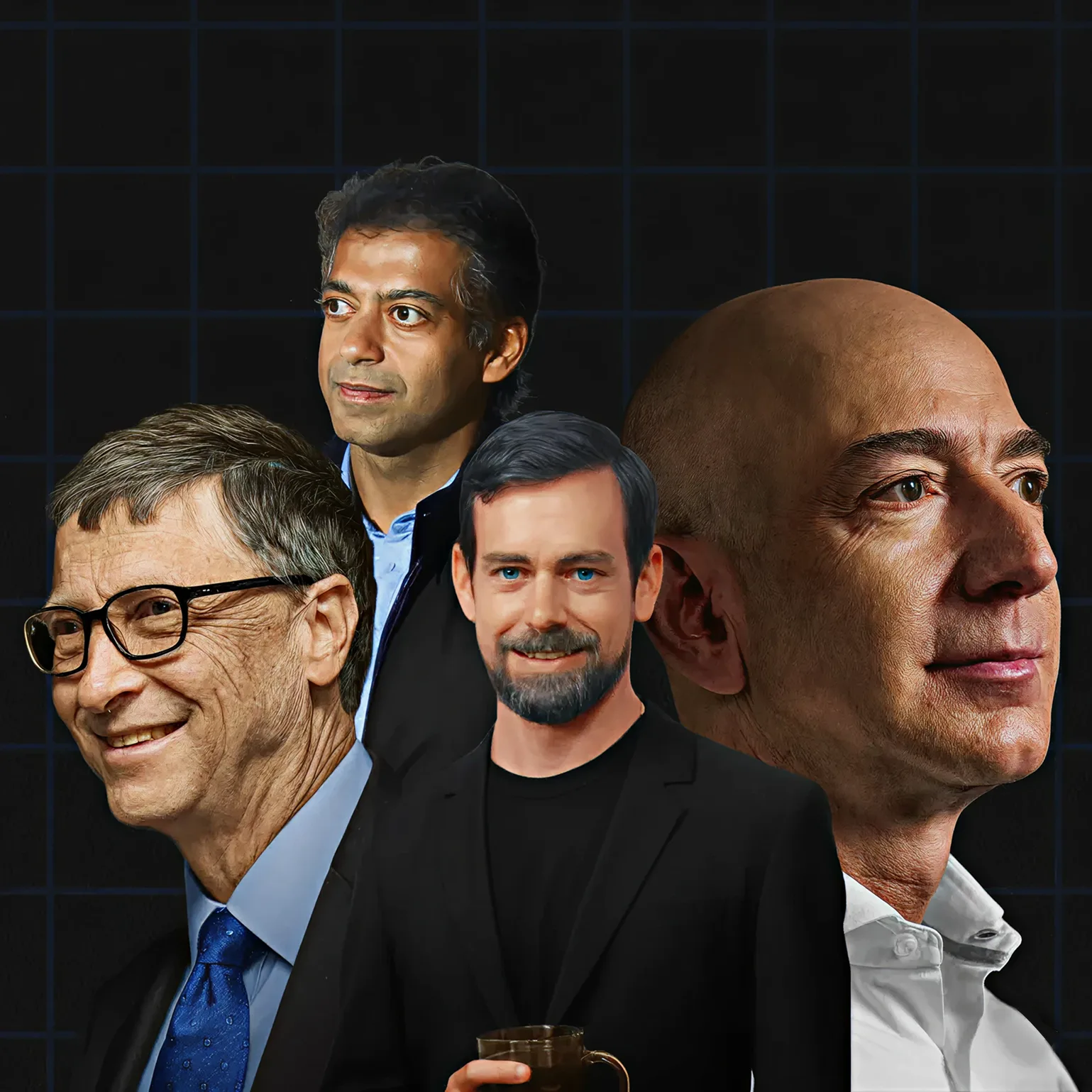
The common thread between Jeff Bezos, Bill Gates, Jack Dorsey, and Naval RavikantJeff Bezos prioritises eight hours of sleep. Not seven. Not six. Eight. He's famously protective of his mornings, scheduling what he calls "high-IQ meetings" only before lunch. His logic is ruthlessly clear: "If I sleep four hours, I might get a couple more 'productive' hours. But I'm talking about decisions and interactions. Quality is usually more important than quantity."
Bill Gates takes a different approach but arrives at the same conclusion. Twice a year, he disappears for what he calls "Think Weeks" - seven days of complete operational disconnection. No calls, no meetings, just reading and thinking. "You can't connect dots you don't notice," Gates observed. "Silence helps you see them."
Then there's Jack Dorsey, who practices Vipassana meditation - ten-day silent retreats where you sit for 10-12 hours daily, observing your breath and bodily sensations with forensic attention. It sounds extreme. It is extreme. But Dorsey calls it "the most important thing I do." Brain imaging studies show Vipassana practitioners develop thicker grey matter in the prefrontal cortex (decision-making) and hippocampus (memory) while literally shrinking the amygdala (fear/stress response).
Naval Ravikant, whose investment track record speaks for itself, puts it bluntly: "A calm mind, a fit body, a house full of love. These things cannot be bought. They must be earned."
Notice the pattern? The highest performers in business aren't grinding the hardest. They're thinking differently about the relationship between stress and recovery.

What athletes can teach founders about peak performanceAthletes figured out decades ago what founders are still learning: You don't get stronger during training. You get stronger during recovery. The principle is called periodisation. Elite athletes structure training in cycles - high-intensity periods followed by planned recovery phases. The workout creates the stimulus. The rest creates adaptation. Studies in sports science show that athletes with structured recovery periods achieve 30-50% greater performance gains than those training continuously without rest.
Here's what actually happens in your body:
During stress, your sympathetic nervous system activates - fight or flight, cortisol release, and elevated heart rate. This is necessary. This is performance. But it's catabolic. It's breaking you down.
During recovery, your parasympathetic nervous system takes over - rest and digest, tissue repair, memory consolidation, and immune function. This is anabolic. This is when you actually get stronger.
The problem with most founders? We're stuck in sympathetic dominance. We've lost the ability to downshift. And you can measure it.
Heart rate variability (HRV) tracks the variation in time between heartbeats. High HRV means your nervous system is flexible, resilient, and able to shift between stress and recovery. Low HRV means you're stuck in chronic stress mode. Clinical burnout patients show dramatically suppressed HRV. After my 2:47 AM disaster, I started tracking my HRV against every major decision. The pattern was brutal: Decisions made when my HRV was above baseline had a 73% success rate. Below baseline? 31%.
I wasn't making bad calls because I lacked judgment. I was making bad calls because I was biologically impaired - and couldn't feel it.
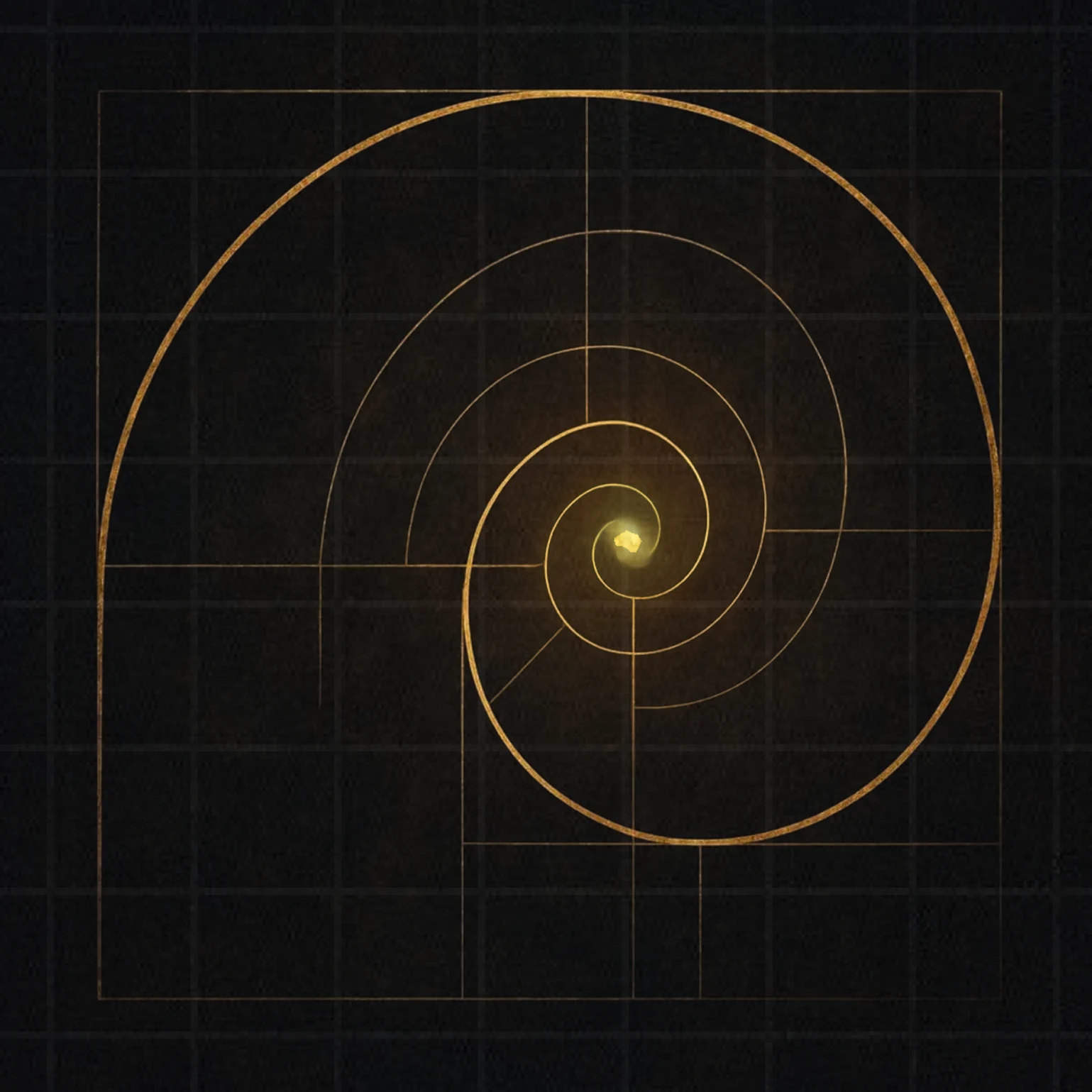
The math nobody wants to doHere's the calculation that changed everything for me.
Say you sleep five hours instead of eight. You gain three hours daily - 21 hours weekly, about 1,092 hours annually. That's 27 additional work weeks. Sounds incredible, right? You're basically adding half a year to your calendar.
Except that research shows sleep deprivation reduces cognitive performance by at least 13% and emotional intelligence by up to 23%. So you're working 27 extra weeks at 77% capacity with diminished emotional intelligence.
Meanwhile, the founder sleeping eight hours works fewer total hours but operates at 100% capacity with full emotional range.
Who wins over seven years?
The exhausted founder makes more decisions. The well-rested founder makes better decisions.
And in startups, better decisions compound. They attract better investors, provide better advice, make better introductions, bring better hires, build better products, and attract better customers.
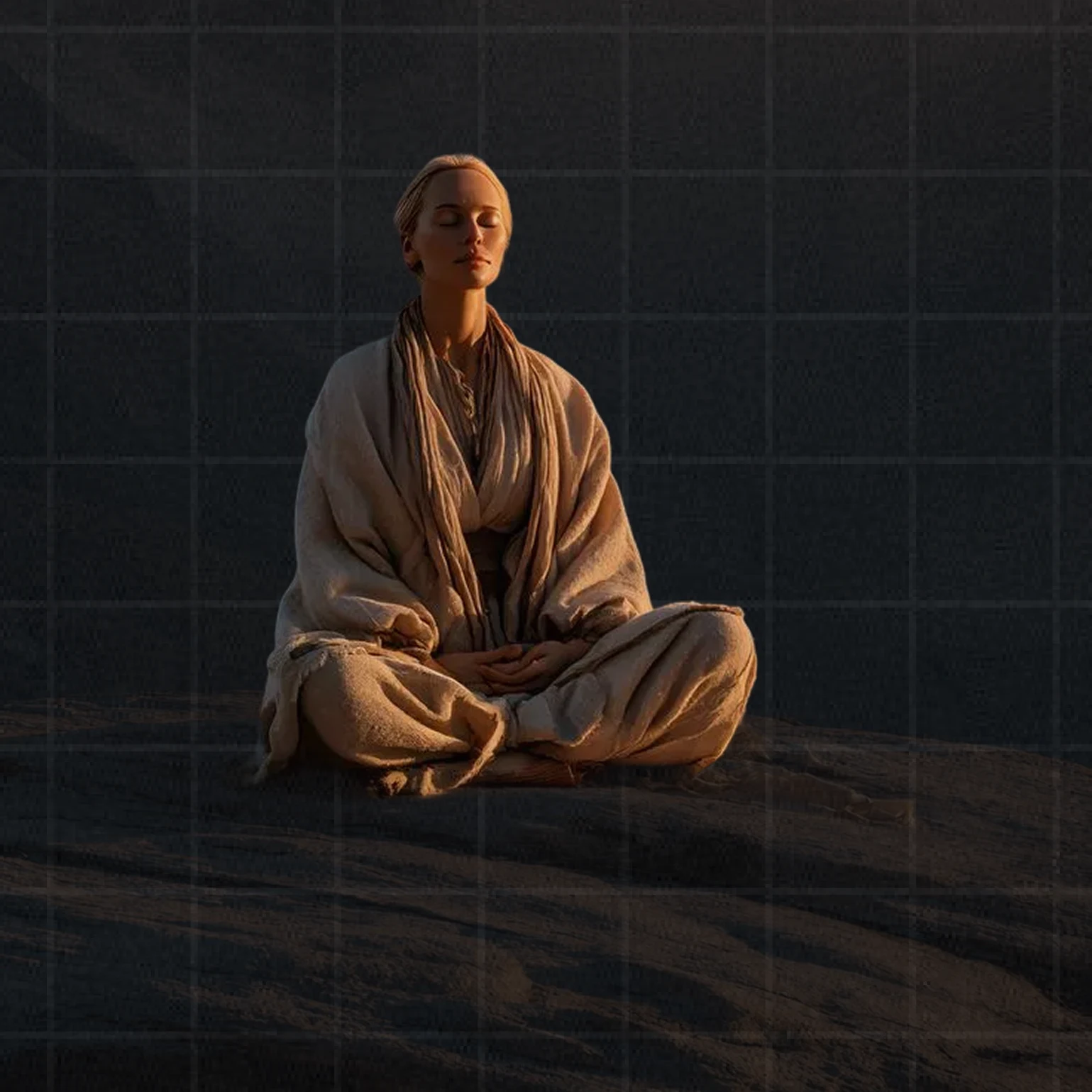
What ancient wisdom said all alongThere's a concept in the Yoga Sutras: sthira sukham asanam - the posture should be steady and comfortable. But it means something deeper. True strength emerges from the balance of effort and ease. Sthira is steadiness, engagement, and activation. Sukham is comfort, release, and recovery.
You cannot have one without the other.
The problem is we've built a business culture that only values sthira. Effort. Grinding. Pushing. We've completely lost sukham. Ease. Recovery. Release. So we're all holding a plank, shaking, about to collapse, telling each other that whoever can hold it longest wins.
But here's what actually happens: You hold the plank until you collapse. Then you tell yourself you're weak. So you train yourself to hold longer. And you collapse harder. And the cycle continues until something breaks - your body, your mind, your company, your relationships.
Modern neuroscience is finally catching up to what yogic philosophy understood millennia ago. During deep sleep, your brain's glymphatic system - discovered only in 2012 - expands the space between neurons by approximately 60%. Cerebrospinal fluid rushes through, flushing out metabolic waste, including beta-amyloid and tau proteins, the ones linked to Alzheimer's.
When you skip sleep, this waste accumulates, preventing your neurons from firing properly. On the other hand, your waking rest - the white space in your calendar, the walks without your phone - activates what neuroscientists call the default mode network (DMN). This is when your brain integrates disparate information, forms remote associations, and generates creative insights. The DMN is where innovation actually happens.
What this actually looks like in practiceAfter my breaking point, I rebuilt my operating system from scratch.
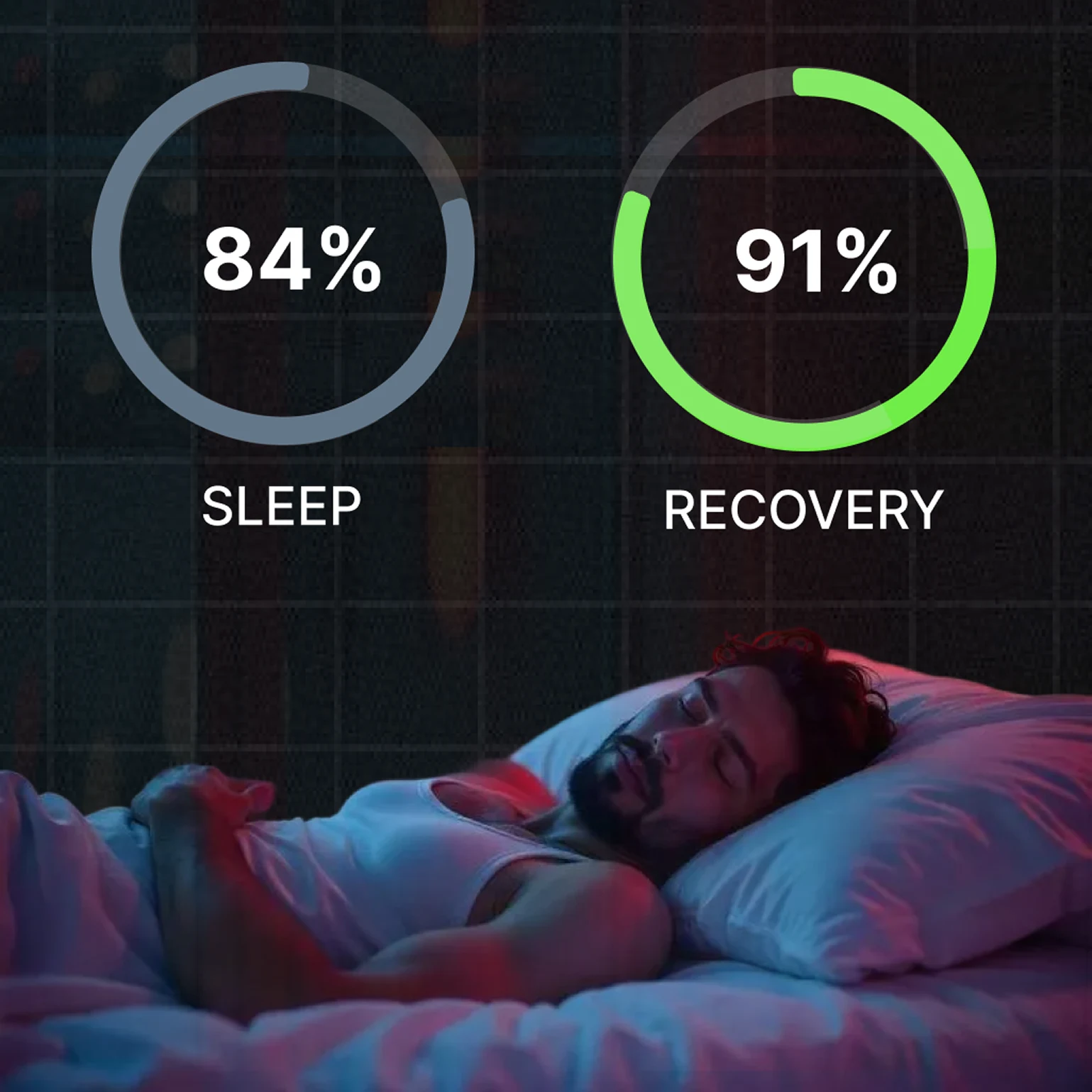
Sleep became non-negotiable. Eight hours, tracked via WHOOP. When my recovery score dropped below the threshold, I postponed major decisions by 24 hours. Data removes ego from the equation. You can't bullshit a biomarker.
I implemented 90-minute work sprints followed by 15-20 minute recovery breaks. This mirrors ultradian rhythms - the natural cycles of focus and rest your body moves through. You can't maintain peak cognitive load for eight straight hours any more than you can bench press for eight straight hours.
Every Sunday became a sacred white space. No laptop, no phone, just a notebook. Walking, thinking, letting my default mode network activate. The strategic insights that moved my company forward? They emerged during these sessions, not during the grind.
I started saying no. I said no to late meetings, to drinks when I needed sleep, to the cultural expectation that founders must be "always on." The first few times felt like career suicide. Within months, I realised I'd eliminated the activities that felt like work but produced nothing.

The real questionThe question isn't whether you can afford to rest. The question is whether you can afford not to.
Every great startup requires years - not months - of sustained high performance. You're running a marathon at what you think is sprint pace. The founders who win the long game aren't the ones who burn brightest. They're the ones who've learned to sustain the flame. Recovery isn't what happens when you're not working. Recovery is how you get stronger.
So here's my challenge:
Start tonight. Sleep seven hours. Track it for two weeks against the quality of your decisions, your creativity, and your patience with your team.
If you still think grinding for four hours makes you more competitive, go back to it.
But I'm betting you won't. Because once you remember what it feels like to operate at full capacity - to think clearly, to be present, to actually enjoy the process - you won't want to be a zombie founder anymore.
The most dangerous lie we tell ourselvesEveryone thinks the game is about who can grind the hardest. But the real competitive advantage in startups is about who recovers the fastest. That sounds like self-help bullshit, but it’s actually my story.
After seven years building CreditVidya - seven years of 80-hour weeks, destroyed relationships, and my body literally shutting down - I learned the founders who win are the ones who've optimised their recovery like athletes optimise their training.
Here's what I mean.
When LeBron James invests $1.5 million annually on his body, everyone nods. Of course, he's an elite athlete, and everyone expects him to invest in his health. But when a founder says they're prioritising sleep, leaving the office at 6 PM, or taking a full day off each week, we judge them as non-serious. We've created a culture where the badge of honour is how little you sleep, not how well you perform. And it's killing us and the companies we are trying to build.
The terrifying truth for foundersNeuroscience says that after 17-19 hours of staying awake, your cognitive performance equals a blood alcohol content of 0.05%, a threshold at which you're legally impaired to drive in most states. But we still think it's ok to make million-dollar decisions in that ‘inebriated’ state. MIT researchers documented a 40% slowdown in reaction times after twenty hours of wakefulness, the same cognitive impairment as mild intoxication.
Research published in Nature shows that sleep-deprived executives shift from loss-avoidance strategies to excessive risk-seeking. Harvard studies found that losing just one hour of sleep per night for a week cuts productivity by 13% and emotional intelligence by 23%.
When you're exhausted, you're biologically wired to take bigger risks while being worse at evaluating them. But here's the truly insidious part: You can't feel it.
Just like I couldn't see that my 2:47 AM decision was insane, you can't perceive your own cognitive impairment when you're sleep-deprived. And your company paid for it in ways you'll never be able to track.
The common thread between Jeff Bezos, Bill Gates, Jack Dorsey, and Naval RavikantJeff Bezos prioritises eight hours of sleep. Not seven. Not six. Eight. He's famously protective of his mornings, scheduling what he calls "high-IQ meetings" only before lunch. His logic is ruthlessly clear: "If I sleep four hours, I might get a couple more 'productive' hours. But I'm talking about decisions and interactions. Quality is usually more important than quantity."
Bill Gates takes a different approach but arrives at the same conclusion. Twice a year, he disappears for what he calls "Think Weeks" - seven days of complete operational disconnection. No calls, no meetings, just reading and thinking. "You can't connect dots you don't notice," Gates observed. "Silence helps you see them."
Then there's Jack Dorsey, who practices Vipassana meditation - ten-day silent retreats where you sit for 10-12 hours daily, observing your breath and bodily sensations with forensic attention. It sounds extreme. It is extreme. But Dorsey calls it "the most important thing I do." Brain imaging studies show Vipassana practitioners develop thicker grey matter in the prefrontal cortex (decision-making) and hippocampus (memory) while literally shrinking the amygdala (fear/stress response).
Naval Ravikant, whose investment track record speaks for itself, puts it bluntly: "A calm mind, a fit body, a house full of love. These things cannot be bought. They must be earned."
Notice the pattern? The highest performers in business aren't grinding the hardest. They're thinking differently about the relationship between stress and recovery.
What athletes can teach founders about peak performanceAthletes figured out decades ago what founders are still learning: You don't get stronger during training. You get stronger during recovery. The principle is called periodisation. Elite athletes structure training in cycles - high-intensity periods followed by planned recovery phases. The workout creates the stimulus. The rest creates adaptation. Studies in sports science show that athletes with structured recovery periods achieve 30-50% greater performance gains than those training continuously without rest.
Here's what actually happens in your body:
During stress, your sympathetic nervous system activates - fight or flight, cortisol release, and elevated heart rate. This is necessary. This is performance. But it's catabolic. It's breaking you down.
During recovery, your parasympathetic nervous system takes over - rest and digest, tissue repair, memory consolidation, and immune function. This is anabolic. This is when you actually get stronger.
The problem with most founders? We're stuck in sympathetic dominance. We've lost the ability to downshift. And you can measure it.
Heart rate variability (HRV) tracks the variation in time between heartbeats. High HRV means your nervous system is flexible, resilient, and able to shift between stress and recovery. Low HRV means you're stuck in chronic stress mode. Clinical burnout patients show dramatically suppressed HRV. After my 2:47 AM disaster, I started tracking my HRV against every major decision. The pattern was brutal: Decisions made when my HRV was above baseline had a 73% success rate. Below baseline? 31%.
I wasn't making bad calls because I lacked judgment. I was making bad calls because I was biologically impaired - and couldn't feel it.
The math nobody wants to doHere's the calculation that changed everything for me.
Say you sleep five hours instead of eight. You gain three hours daily - 21 hours weekly, about 1,092 hours annually. That's 27 additional work weeks. Sounds incredible, right? You're basically adding half a year to your calendar.
Except that research shows sleep deprivation reduces cognitive performance by at least 13% and emotional intelligence by up to 23%. So you're working 27 extra weeks at 77% capacity with diminished emotional intelligence.
Meanwhile, the founder sleeping eight hours works fewer total hours but operates at 100% capacity with full emotional range.
Who wins over seven years?
The exhausted founder makes more decisions. The well-rested founder makes better decisions.
And in startups, better decisions compound. They attract better investors, provide better advice, make better introductions, bring better hires, build better products, and attract better customers.
What ancient wisdom said all alongThere's a concept in the Yoga Sutras: sthira sukham asanam - the posture should be steady and comfortable. But it means something deeper. True strength emerges from the balance of effort and ease. Sthira is steadiness, engagement, and activation. Sukham is comfort, release, and recovery.
You cannot have one without the other.
The problem is we've built a business culture that only values sthira. Effort. Grinding. Pushing. We've completely lost sukham. Ease. Recovery. Release. So we're all holding a plank, shaking, about to collapse, telling each other that whoever can hold it longest wins.
But here's what actually happens: You hold the plank until you collapse. Then you tell yourself you're weak. So you train yourself to hold longer. And you collapse harder. And the cycle continues until something breaks - your body, your mind, your company, your relationships.
Modern neuroscience is finally catching up to what yogic philosophy understood millennia ago. During deep sleep, your brain's glymphatic system - discovered only in 2012 - expands the space between neurons by approximately 60%. Cerebrospinal fluid rushes through, flushing out metabolic waste, including beta-amyloid and tau proteins, the ones linked to Alzheimer's.
When you skip sleep, this waste accumulates, preventing your neurons from firing properly. On the other hand, your waking rest - the white space in your calendar, the walks without your phone - activates what neuroscientists call the default mode network (DMN). This is when your brain integrates disparate information, forms remote associations, and generates creative insights. The DMN is where innovation actually happens.
What this actually looks like in practiceAfter my breaking point, I rebuilt my operating system from scratch.
Sleep became non-negotiable. Eight hours, tracked via WHOOP. When my recovery score dropped below the threshold, I postponed major decisions by 24 hours. Data removes ego from the equation. You can't bullshit a biomarker.
I implemented 90-minute work sprints followed by 15-20 minute recovery breaks. This mirrors ultradian rhythms - the natural cycles of focus and rest your body moves through. You can't maintain peak cognitive load for eight straight hours any more than you can bench press for eight straight hours.
Every Sunday became a sacred white space. No laptop, no phone, just a notebook. Walking, thinking, letting my default mode network activate. The strategic insights that moved my company forward? They emerged during these sessions, not during the grind.
I started saying no. I said no to late meetings, to drinks when I needed sleep, to the cultural expectation that founders must be "always on." The first few times felt like career suicide. Within months, I realised I'd eliminated the activities that felt like work but produced nothing.
The real questionThe question isn't whether you can afford to rest. The question is whether you can afford not to.
Every great startup requires years - not months - of sustained high performance. You're running a marathon at what you think is sprint pace. The founders who win the long game aren't the ones who burn brightest. They're the ones who've learned to sustain the flame. Recovery isn't what happens when you're not working. Recovery is how you get stronger.
So here's my challenge:
Start tonight. Sleep seven hours. Track it for two weeks against the quality of your decisions, your creativity, and your patience with your team.
If you still think grinding for four hours makes you more competitive, go back to it.
But I'm betting you won't. Because once you remember what it feels like to operate at full capacity - to think clearly, to be present, to actually enjoy the process - you won't want to be a zombie founder anymore.
The most dangerous lie we tell ourselvesEveryone thinks the game is about who can grind the hardest. But the real competitive advantage in startups is about who recovers the fastest. That sounds like self-help bullshit, but it’s actually my story.
After seven years building CreditVidya - seven years of 80-hour weeks, destroyed relationships, and my body literally shutting down - I learned the founders who win are the ones who've optimised their recovery like athletes optimise their training.
Here's what I mean.
When LeBron James invests $1.5 million annually on his body, everyone nods. Of course, he's an elite athlete, and everyone expects him to invest in his health. But when a founder says they're prioritising sleep, leaving the office at 6 PM, or taking a full day off each week, we judge them as non-serious. We've created a culture where the badge of honour is how little you sleep, not how well you perform. And it's killing us and the companies we are trying to build.
The terrifying truth for foundersNeuroscience says that after 17-19 hours of staying awake, your cognitive performance equals a blood alcohol content of 0.05%, a threshold at which you're legally impaired to drive in most states. But we still think it's ok to make million-dollar decisions in that ‘inebriated’ state. MIT researchers documented a 40% slowdown in reaction times after twenty hours of wakefulness, the same cognitive impairment as mild intoxication.
Research published in Nature shows that sleep-deprived executives shift from loss-avoidance strategies to excessive risk-seeking. Harvard studies found that losing just one hour of sleep per night for a week cuts productivity by 13% and emotional intelligence by 23%.
When you're exhausted, you're biologically wired to take bigger risks while being worse at evaluating them. But here's the truly insidious part: You can't feel it.
Just like I couldn't see that my 2:47 AM decision was insane, you can't perceive your own cognitive impairment when you're sleep-deprived. And your company paid for it in ways you'll never be able to track.
The common thread between Jeff Bezos, Bill Gates, Jack Dorsey, and Naval RavikantJeff Bezos prioritises eight hours of sleep. Not seven. Not six. Eight. He's famously protective of his mornings, scheduling what he calls "high-IQ meetings" only before lunch. His logic is ruthlessly clear: "If I sleep four hours, I might get a couple more 'productive' hours. But I'm talking about decisions and interactions. Quality is usually more important than quantity."
Bill Gates takes a different approach but arrives at the same conclusion. Twice a year, he disappears for what he calls "Think Weeks" - seven days of complete operational disconnection. No calls, no meetings, just reading and thinking. "You can't connect dots you don't notice," Gates observed. "Silence helps you see them."
Then there's Jack Dorsey, who practices Vipassana meditation - ten-day silent retreats where you sit for 10-12 hours daily, observing your breath and bodily sensations with forensic attention. It sounds extreme. It is extreme. But Dorsey calls it "the most important thing I do." Brain imaging studies show Vipassana practitioners develop thicker grey matter in the prefrontal cortex (decision-making) and hippocampus (memory) while literally shrinking the amygdala (fear/stress response).
Naval Ravikant, whose investment track record speaks for itself, puts it bluntly: "A calm mind, a fit body, a house full of love. These things cannot be bought. They must be earned."
Notice the pattern? The highest performers in business aren't grinding the hardest. They're thinking differently about the relationship between stress and recovery.
What athletes can teach founders about peak performanceAthletes figured out decades ago what founders are still learning: You don't get stronger during training. You get stronger during recovery. The principle is called periodisation. Elite athletes structure training in cycles - high-intensity periods followed by planned recovery phases. The workout creates the stimulus. The rest creates adaptation. Studies in sports science show that athletes with structured recovery periods achieve 30-50% greater performance gains than those training continuously without rest.
Here's what actually happens in your body:
During stress, your sympathetic nervous system activates - fight or flight, cortisol release, and elevated heart rate. This is necessary. This is performance. But it's catabolic. It's breaking you down.
During recovery, your parasympathetic nervous system takes over - rest and digest, tissue repair, memory consolidation, and immune function. This is anabolic. This is when you actually get stronger.
The problem with most founders? We're stuck in sympathetic dominance. We've lost the ability to downshift. And you can measure it.
Heart rate variability (HRV) tracks the variation in time between heartbeats. High HRV means your nervous system is flexible, resilient, and able to shift between stress and recovery. Low HRV means you're stuck in chronic stress mode. Clinical burnout patients show dramatically suppressed HRV. After my 2:47 AM disaster, I started tracking my HRV against every major decision. The pattern was brutal: Decisions made when my HRV was above baseline had a 73% success rate. Below baseline? 31%.
I wasn't making bad calls because I lacked judgment. I was making bad calls because I was biologically impaired - and couldn't feel it.
The math nobody wants to doHere's the calculation that changed everything for me.
Say you sleep five hours instead of eight. You gain three hours daily - 21 hours weekly, about 1,092 hours annually. That's 27 additional work weeks. Sounds incredible, right? You're basically adding half a year to your calendar.
Except that research shows sleep deprivation reduces cognitive performance by at least 13% and emotional intelligence by up to 23%. So you're working 27 extra weeks at 77% capacity with diminished emotional intelligence.
Meanwhile, the founder sleeping eight hours works fewer total hours but operates at 100% capacity with full emotional range.
Who wins over seven years?
The exhausted founder makes more decisions. The well-rested founder makes better decisions.
And in startups, better decisions compound. They attract better investors, provide better advice, make better introductions, bring better hires, build better products, and attract better customers.
What ancient wisdom said all alongThere's a concept in the Yoga Sutras: sthira sukham asanam - the posture should be steady and comfortable. But it means something deeper. True strength emerges from the balance of effort and ease. Sthira is steadiness, engagement, and activation. Sukham is comfort, release, and recovery.
You cannot have one without the other.
The problem is we've built a business culture that only values sthira. Effort. Grinding. Pushing. We've completely lost sukham. Ease. Recovery. Release. So we're all holding a plank, shaking, about to collapse, telling each other that whoever can hold it longest wins.
But here's what actually happens: You hold the plank until you collapse. Then you tell yourself you're weak. So you train yourself to hold longer. And you collapse harder. And the cycle continues until something breaks - your body, your mind, your company, your relationships.
Modern neuroscience is finally catching up to what yogic philosophy understood millennia ago. During deep sleep, your brain's glymphatic system - discovered only in 2012 - expands the space between neurons by approximately 60%. Cerebrospinal fluid rushes through, flushing out metabolic waste, including beta-amyloid and tau proteins, the ones linked to Alzheimer's.
When you skip sleep, this waste accumulates, preventing your neurons from firing properly. On the other hand, your waking rest - the white space in your calendar, the walks without your phone - activates what neuroscientists call the default mode network (DMN). This is when your brain integrates disparate information, forms remote associations, and generates creative insights. The DMN is where innovation actually happens.
What this actually looks like in practiceAfter my breaking point, I rebuilt my operating system from scratch.
Sleep became non-negotiable. Eight hours, tracked via WHOOP. When my recovery score dropped below the threshold, I postponed major decisions by 24 hours. Data removes ego from the equation. You can't bullshit a biomarker.
I implemented 90-minute work sprints followed by 15-20 minute recovery breaks. This mirrors ultradian rhythms - the natural cycles of focus and rest your body moves through. You can't maintain peak cognitive load for eight straight hours any more than you can bench press for eight straight hours.
Every Sunday became a sacred white space. No laptop, no phone, just a notebook. Walking, thinking, letting my default mode network activate. The strategic insights that moved my company forward? They emerged during these sessions, not during the grind.
I started saying no. I said no to late meetings, to drinks when I needed sleep, to the cultural expectation that founders must be "always on." The first few times felt like career suicide. Within months, I realised I'd eliminated the activities that felt like work but produced nothing.
The real questionThe question isn't whether you can afford to rest. The question is whether you can afford not to.
Every great startup requires years - not months - of sustained high performance. You're running a marathon at what you think is sprint pace. The founders who win the long game aren't the ones who burn brightest. They're the ones who've learned to sustain the flame. Recovery isn't what happens when you're not working. Recovery is how you get stronger.
So here's my challenge:
Start tonight. Sleep seven hours. Track it for two weeks against the quality of your decisions, your creativity, and your patience with your team.
If you still think grinding for four hours makes you more competitive, go back to it.
But I'm betting you won't. Because once you remember what it feels like to operate at full capacity - to think clearly, to be present, to actually enjoy the process - you won't want to be a zombie founder anymore.
‘Rest assured’, this competitive advantage can set you apart
Every ‘eureka’ moment emerged during rest, not grind
Gordon Gekko was wrong when he declared, "Money never sleeps" in Wall Street. Though an entire generation of ambitious professionals internalised it as doctrine, it has yet to show any tangible results for its worshippers. Walk through any airport lounge at 8 AM and you'll see the faithful: McKinsey consultants rehearsing pitch decks on red-eye flights, founders posting "grinding while you're sleeping" to Instagram Stories at 4 AM, VCs answering emails during their kid's soccer game and then bragging about it on Twitter. One of my previous bosses wore it as his ultimate badge of honour: he stayed in the office while his wife was in labor. And I must admit to being one of them. For seven years, building CreditVidya, I wore my exhaustion like a Purple Heart. Five hours of sleep felt like an abundance. I was running the ship. Making decisions. Raising capital. Scaling the team. And from the outside, it looked like success, until my body sent an invoice I couldn't ignore.
First came the slipped disc. Then the stroke. Then the depression that follows when you realise your body has been screaming at you for years, all the while mistaking the alarm to be applause. The decline is so gradual, so invisible, that you convince yourself you're still operating at peak performance. You don't feel yourself becoming less creative, less patient, less human. And by the time you realise it, you've already paid a price you can't calculate - in runway burned, relationships destroyed, and years of your life you'll never get back.
That's when I started questioning everything I thought I knew about success.

Resonating with this philosophy?
Join the smartest founders mastering the inner game to face the unknown. Read by YC & Sequoia.

To be continued…
A small favor...
I don't run ads. If this brought clarity, the biggest favor you can do is subscribe below.

.svg)

.svg)