
Entrepreneurship is the ultimate subordination
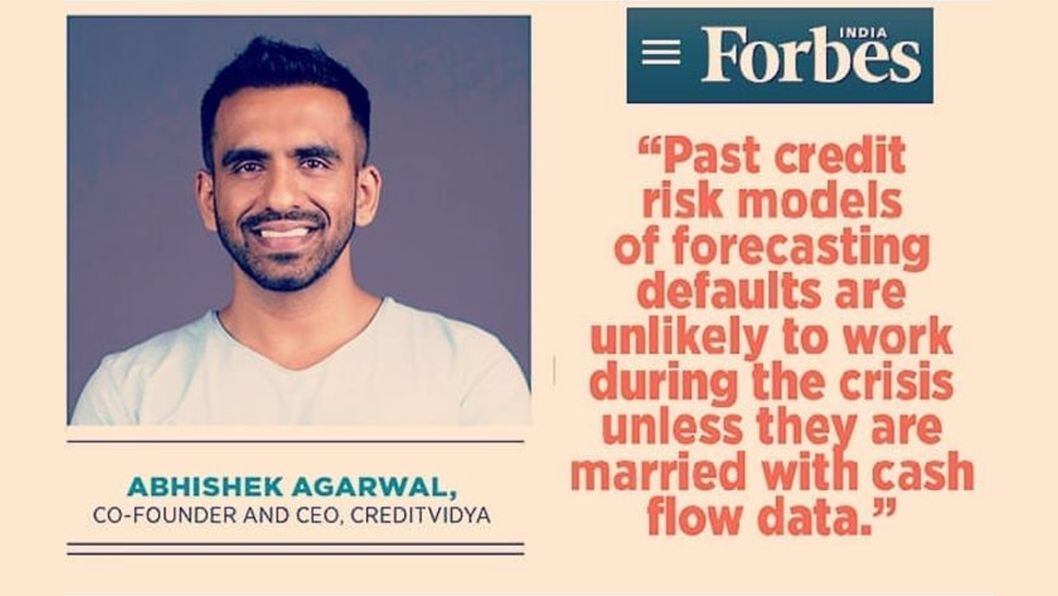
For high-achievers who chased the feeling of freedom that comes with the founder tag but discovered entrepreneurship is the ultimate subordination.
Every afternoon, walking home from the school bus in Kathmandu, I'd pass a small book stall on the corner. My friends would stop to flip through Baywatch magazines while I'd step aside to stare at the business ones. Ambani looked out from one of them in an immaculate suit, with the word billionaire written beneath his name. I was twelve years old. I didn't want to be a film star or a cricketer. I wanted to be him - the man who had figured out something that other men hadn't.
Looking back, I see it as a desperate wish of a young boy for a way out of a life that felt too small, too hard, and too set in stone. Entrepreneurship was the door I couldn't open yet, but I couldn't stop looking at it either. For the next ten years, I kept a notebook to write down business ideas. The list kept growing, from competing with Flipkart to opening an organic store. Some nights, I fell asleep dreaming about the version of myself who had already made it out. The ideas kept coming, but I wasn't actually building anything.
There is a word for what I was during those two decades: wantrepreneur.
It might sound like an insult, but it isn't. It describes more people building startups today. So what is a wantrepreneur? It’s someone who connects to entrepreneurship on an emotional level but fails to act on it.
Wantrepreneurs find that picturing themselves as entrepreneurs feels rewarding in a way that real entrepreneurship rarely does. People are drawn to entrepreneurship as a fantasy of freedom, status, and self-rescue. The fantasy gives them the feeling without requiring the actual transformation. The reason wantrepreneur culture persists is that dreaming about entrepreneurship can “fill the emotional void” long before a person has built the maturity required to run a real business.

Entrepreneurs don't need a tag
I want to tell you about two people who understood entrepreneurship better than most founders I've met. Pochadri was my head of technology, and Arun headed risk. Both of them were, in every way that matters, entrepreneurs.
For more than five years, the three of us met every Monday at 11 am. I can't remember missing a single week. We talked about everything: strategy, team issues, regulatory problems, and whatever kept us up at night. But what stands out isn't the conversations. It's the decisions. When the business faced ‘collections’ work none of us had done before, I started running ‘collection’ calls at 7:30 am with my team on camera. Arun learned to handle banking and partner relationships he'd never managed. Pochadri took charge of managing people and our entire Hyderabad office. Not because anyone told them to. Not because it was glamorous. Because the business needed it, and they quietly decided to take responsibility. That is entrepreneurship. The decision to be responsible for something beyond yourself.
Now compare this to many founders I know who carry the tag. They're focused on the wrong things: the idea, the vision, the future version of themselves who already has it all figured out. And since that future self is always available in the imagination, the real work - the ‘collection’ call, the banking relationship, the office nobody else wants to run - keeps getting deferred. We collect ideas the way some people collect watches: with real passion and taste, but with no plan to use them. Wantrepreneurs aren't lazy. They're focused on the wrong thing, missing accountability completely. Accountable towards a task at hand, even if it doesn't match the founder image you've been building in your head. Pochadri and Arun didn't have the titles, but in every way that counts, they were more of a founder than most I've met. When something needed to be done and no one else would do it, they stepped up. That's the real secret. It's so unglamorous that most people overlook it entirely.
But what is the founder tag really? Who gave it out? And why do so many people who clearly have it - the registered company, the pitch deck, the LinkedIn headline - still act like wantrepreneurs, while people like Pochadri and Arun, who never claimed it, live it every day?
The real odds of startup success
Mark Zuckerberg is the poster child for wantrepreneurs: the hoodie, the dorm room, a billion users. The story goes like this: real entrepreneurship means a technology breakthrough, a venture round, a valuation with many zeroes. If you haven't disrupted something at scale, the implicit logic goes, you haven't really done it. You don't have the tag.
But here is what that mythology never says: if money is genuinely what you're after, the odds strongly favour a different path. A lawyer, a doctor, a finance professional, someone who gets very good at their craft and then replicates it, gets a higher expected return than the unicorn chase at a fraction of the personal cost.
And the unicorn chase costs more than most people calculate. The probability of becoming a unicorn founder is roughly 0.007%: one in fourteen thousand. Yet research shows that 81% of entrepreneurs believe their personal odds of success are at least 70%. A third believe their odds are absolute. Now run the actual expected value calculation that nobody puts in the pitch deck:
Unicorn path: 2% average founder ownership at exit × $1 billion valuation = $20 million. Probability: less than 1%.
Smaller path: 100% ownership of a $20 million business. Probability: meaningfully higher.
The payouts are identical. The risk profiles are worlds apart. And the unicorn path costs something the math doesn't capture: years of your life spent chasing a feeling that, as Philip Brickman's research on lottery winners showed, fades within 12 to 18 months of arrival anyway.
Unicorns are rare, and the startup culture has built myths around founders, but the fact remains that even genius-level originality or a Facebook-scale idea is not enough to “fill that emotional void” for founders without building the maturity required to run a real business.
For high-achievers who chased the feeling of freedom that comes with the founder tag but discovered entrepreneurship is the ultimate subordination.
Every afternoon, walking home from the school bus in Kathmandu, I'd pass a small book stall on the corner. My friends would stop to flip through Baywatch magazines while I'd step aside to stare at the business ones. Ambani looked out from one of them in an immaculate suit, with the word billionaire written beneath his name. I was twelve years old. I didn't want to be a film star or a cricketer. I wanted to be him - the man who had figured out something that other men hadn't.
Looking back, I see it as a desperate wish of a young boy for a way out of a life that felt too small, too hard, and too set in stone. Entrepreneurship was the door I couldn't open yet, but I couldn't stop looking at it either. For the next ten years, I kept a notebook to write down business ideas. The list kept growing, from competing with Flipkart to opening an organic store. Some nights, I fell asleep dreaming about the version of myself who had already made it out. The ideas kept coming, but I wasn't actually building anything.
There is a word for what I was during those two decades: wantrepreneur.
It might sound like an insult, but it isn't. It describes more people building startups today. So what is a wantrepreneur? It’s someone who connects to entrepreneurship on an emotional level but fails to act on it.
Wantrepreneurs find that picturing themselves as entrepreneurs feels rewarding in a way that real entrepreneurship rarely does. People are drawn to entrepreneurship as a fantasy of freedom, status, and self-rescue. The fantasy gives them the feeling without requiring the actual transformation. The reason wantrepreneur culture persists is that dreaming about entrepreneurship can “fill the emotional void” long before a person has built the maturity required to run a real business.
Entrepreneurs don't need a tag
I want to tell you about two people who understood entrepreneurship better than most founders I've met. Pochadri was my head of technology, and Arun headed risk. Both of them were, in every way that matters, entrepreneurs.
For more than five years, the three of us met every Monday at 11 am. I can't remember missing a single week. We talked about everything: strategy, team issues, regulatory problems, and whatever kept us up at night. But what stands out isn't the conversations. It's the decisions. When the business faced ‘collections’ work none of us had done before, I started running ‘collection’ calls at 7:30 am with my team on camera. Arun learned to handle banking and partner relationships he'd never managed. Pochadri took charge of managing people and our entire Hyderabad office. Not because anyone told them to. Not because it was glamorous. Because the business needed it, and they quietly decided to take responsibility. That is entrepreneurship. The decision to be responsible for something beyond yourself.
Now compare this to many founders I know who carry the tag. They're focused on the wrong things: the idea, the vision, the future version of themselves who already has it all figured out. And since that future self is always available in the imagination, the real work - the ‘collection’ call, the banking relationship, the office nobody else wants to run - keeps getting deferred. We collect ideas the way some people collect watches: with real passion and taste, but with no plan to use them. Wantrepreneurs aren't lazy. They're focused on the wrong thing, missing accountability completely. Accountable towards a task at hand, even if it doesn't match the founder image you've been building in your head. Pochadri and Arun didn't have the titles, but in every way that counts, they were more of a founder than most I've met. When something needed to be done and no one else would do it, they stepped up. That's the real secret. It's so unglamorous that most people overlook it entirely.
But what is the founder tag really? Who gave it out? And why do so many people who clearly have it - the registered company, the pitch deck, the LinkedIn headline - still act like wantrepreneurs, while people like Pochadri and Arun, who never claimed it, live it every day?
The real odds of startup success
Mark Zuckerberg is the poster child for wantrepreneurs: the hoodie, the dorm room, a billion users. The story goes like this: real entrepreneurship means a technology breakthrough, a venture round, a valuation with many zeroes. If you haven't disrupted something at scale, the implicit logic goes, you haven't really done it. You don't have the tag.
But here is what that mythology never says: if money is genuinely what you're after, the odds strongly favour a different path. A lawyer, a doctor, a finance professional, someone who gets very good at their craft and then replicates it, gets a higher expected return than the unicorn chase at a fraction of the personal cost.
And the unicorn chase costs more than most people calculate. The probability of becoming a unicorn founder is roughly 0.007%: one in fourteen thousand. Yet research shows that 81% of entrepreneurs believe their personal odds of success are at least 70%. A third believe their odds are absolute. Now run the actual expected value calculation that nobody puts in the pitch deck:
Unicorn path: 2% average founder ownership at exit × $1 billion valuation = $20 million. Probability: less than 1%.
Smaller path: 100% ownership of a $20 million business. Probability: meaningfully higher.
The payouts are identical. The risk profiles are worlds apart. And the unicorn path costs something the math doesn't capture: years of your life spent chasing a feeling that, as Philip Brickman's research on lottery winners showed, fades within 12 to 18 months of arrival anyway.
Unicorns are rare, and the startup culture has built myths around founders, but the fact remains that even genius-level originality or a Facebook-scale idea is not enough to “fill that emotional void” for founders without building the maturity required to run a real business.
Entrepreneurship is the ultimate subordination
For high-achievers who chased the feeling of freedom that comes with the founder tag but discovered entrepreneurship is the ultimate subordination.
Every afternoon, walking home from the school bus in Kathmandu, I'd pass a small book stall on the corner. My friends would stop to flip through Baywatch magazines while I'd step aside to stare at the business ones. Ambani looked out from one of them in an immaculate suit, with the word billionaire written beneath his name. I was twelve years old. I didn't want to be a film star or a cricketer. I wanted to be him - the man who had figured out something that other men hadn't.
Looking back, I see it as a desperate wish of a young boy for a way out of a life that felt too small, too hard, and too set in stone. Entrepreneurship was the door I couldn't open yet, but I couldn't stop looking at it either. For the next ten years, I kept a notebook to write down business ideas. The list kept growing, from competing with Flipkart to opening an organic store. Some nights, I fell asleep dreaming about the version of myself who had already made it out. The ideas kept coming, but I wasn't actually building anything.
There is a word for what I was during those two decades: wantrepreneur.
It might sound like an insult, but it isn't. It describes more people building startups today. So what is a wantrepreneur? It’s someone who connects to entrepreneurship on an emotional level but fails to act on it.
Wantrepreneurs find that picturing themselves as entrepreneurs feels rewarding in a way that real entrepreneurship rarely does. People are drawn to entrepreneurship as a fantasy of freedom, status, and self-rescue. The fantasy gives them the feeling without requiring the actual transformation. The reason wantrepreneur culture persists is that dreaming about entrepreneurship can “fill the emotional void” long before a person has built the maturity required to run a real business.
Entrepreneurs don't need a tag
I want to tell you about two people who understood entrepreneurship better than most founders I've met. Pochadri was my head of technology, and Arun headed risk. Both of them were, in every way that matters, entrepreneurs.
For more than five years, the three of us met every Monday at 11 am. I can't remember missing a single week. We talked about everything: strategy, team issues, regulatory problems, and whatever kept us up at night. But what stands out isn't the conversations. It's the decisions. When the business faced ‘collections’ work none of us had done before, I started running ‘collection’ calls at 7:30 am with my team on camera. Arun learned to handle banking and partner relationships he'd never managed. Pochadri took charge of managing people and our entire Hyderabad office. Not because anyone told them to. Not because it was glamorous. Because the business needed it, and they quietly decided to take responsibility. That is entrepreneurship. The decision to be responsible for something beyond yourself.
Now compare this to many founders I know who carry the tag. They're focused on the wrong things: the idea, the vision, the future version of themselves who already has it all figured out. And since that future self is always available in the imagination, the real work - the ‘collection’ call, the banking relationship, the office nobody else wants to run - keeps getting deferred. We collect ideas the way some people collect watches: with real passion and taste, but with no plan to use them. Wantrepreneurs aren't lazy. They're focused on the wrong thing, missing accountability completely. Accountable towards a task at hand, even if it doesn't match the founder image you've been building in your head. Pochadri and Arun didn't have the titles, but in every way that counts, they were more of a founder than most I've met. When something needed to be done and no one else would do it, they stepped up. That's the real secret. It's so unglamorous that most people overlook it entirely.
But what is the founder tag really? Who gave it out? And why do so many people who clearly have it - the registered company, the pitch deck, the LinkedIn headline - still act like wantrepreneurs, while people like Pochadri and Arun, who never claimed it, live it every day?
The real odds of startup success
Mark Zuckerberg is the poster child for wantrepreneurs: the hoodie, the dorm room, a billion users. The story goes like this: real entrepreneurship means a technology breakthrough, a venture round, a valuation with many zeroes. If you haven't disrupted something at scale, the implicit logic goes, you haven't really done it. You don't have the tag.
But here is what that mythology never says: if money is genuinely what you're after, the odds strongly favour a different path. A lawyer, a doctor, a finance professional, someone who gets very good at their craft and then replicates it, gets a higher expected return than the unicorn chase at a fraction of the personal cost.
And the unicorn chase costs more than most people calculate. The probability of becoming a unicorn founder is roughly 0.007%: one in fourteen thousand. Yet research shows that 81% of entrepreneurs believe their personal odds of success are at least 70%. A third believe their odds are absolute. Now run the actual expected value calculation that nobody puts in the pitch deck:
Unicorn path: 2% average founder ownership at exit × $1 billion valuation = $20 million. Probability: less than 1%.
Smaller path: 100% ownership of a $20 million business. Probability: meaningfully higher.
The payouts are identical. The risk profiles are worlds apart. And the unicorn path costs something the math doesn't capture: years of your life spent chasing a feeling that, as Philip Brickman's research on lottery winners showed, fades within 12 to 18 months of arrival anyway.
Unicorns are rare, and the startup culture has built myths around founders, but the fact remains that even genius-level originality or a Facebook-scale idea is not enough to “fill that emotional void” for founders without building the maturity required to run a real business.

Resonating with this philosophy?
Join the smartest founders mastering the inner game to face the unknown. Read by YC & Sequoia.

The bill nobody shows you
Every founder I've met started with the same dream: freedom, ownership, building something on their own terms. Nobody hands you the other document. The one that lists what you are actually agreeing to. It states that you will become priority number two for yourself. The moment you hire your first employee, their livelihood outranks your comfort. Once you have a team of any size, you are responsible for a hundred families' rent, a hundred mortgage payments, a hundred school fees arriving on the first of every month, regardless of what your month looked like. The dream was to escape the hierarchy. The reality is that you've chosen to sit at the bottom of one you built yourself.
The excitement fades faster than you think. The early days feel electric: the first customer, the first hire, the first time someone uses what you built. Then the business becomes real, and real means repetitive. Incremental improvements. The same problems in different clothing. One founder described it plainly: the first six to eighteen months of bringing an idea to life are actually the smallest part of the business. The rest is empowering others, fixing what breaks, and doing it again. Nobody posts about that part.
Your ego is the first thing to go, and it happens day by day. You will do work you once thought was beneath you because the business needs it. You will be wrong in front of people who report to you. You will ask for help from people who used to ask you. I was one of the lowest-paid people at CreditVidya for longer than I'd like to admit. The founder tag carries a certain image, but the founder's reality has very little interest in that image. The reality is that you may have to pay for it through the compound interest of skipped sleep and deferred doctors' appointments and the exhaustion that comes from carrying decisions no one else can make. Your body keeps the score even when the spreadsheet doesn't.
There is a particular loneliness in this that nobody warns you about. You can have a significant valuation and still feel like a fraud. The imposter syndrome strikes because when you really work hard, you also start valuing the hard work of others and see your own effort as not deserving enough. Wealthy on paper, feeling hollow inside. The people around you see the numbers. You see the gap between what the number suggests and what you actually feel on a Tuesday morning when three things are on fire, and your co-founder isn't speaking to you.
This is the bill. Presented incrementally as responsibility, over years, in currencies you didn't know you were spending. The bill has to be paid first, before you can think of your own priorities, because you have decided that what you're building is worth the cost. Most founders believe the cost does not exist. Or that they are exempt from it. Because they became founders to buy their own freedom, not to pay for others’ well-being. That's a different mistake, and a more expensive one.
The only decision that matters
Entrepreneurship isn't about having the perfect idea or waiting for the right moment. It's about deciding, once, that you are responsible for something beyond yourself and then letting that decision make all the smaller decisions for you. The boring business, the daily execution, the Monday meetings - none of these is strategy. They're what responsibility looks like when you stop overthinking decisions and start living them.
This is what Pochadri and Arun understood that most founders with the tag do not. They didn't wait for the conditions to feel right or the work to feel worthy of them. They decided they were responsible - and that decision did the rest. The 7:30 am ‘collection’ calls weren't a sacrifice. They were just what responsibility looked like on a Tuesday morning.
Most wannabe entrepreneurs begin on the other side of that decision. A twelve-year-old in Kathmandu staring at magazine covers, hoping for an escape that felt like ambition. Imagining yourself on the cover costs nothing and carries no risk of visible failure. The emptiness that drove you to the fantasy in the first place doesn't go away when you actually get the tag. Does it disappear when you reach a certain valuation? No. Does it go away when your name appears somewhere? No. The founders I've watched struggle most after their exits are the ones who believed the cover would finally silence the dreamer within. But the emptiness stays. The question is whether you build something real with ‘responsibility’ or are still staring at someone else's face on a magazine, waiting for a beginning that never comes. Because if you are looking for the status of a founder without stewardship, a model of success that worships valuations, genius, and glamour, while hiding the real task of becoming trustworthy enough to hold responsibility for other people’s livelihoods, that is not going to happen even in your next venture.
Bluntly put, entrepreneurship isn't an escape from subordination - it's the ultimate subordination. You already know which choice you made, now own it.
A notebook full of ideas isn't the problem. The problem is believing that the notebook is the work. It isn't. The work begins when you put the notebook down and do what needs doing: the unglamorous task, the thing beneath you, the thing that doesn't fit the founder you pictured. Because you've decided, quietly, that you are responsible for it. That's the whole thing. It took twenty years for a twelve-year-old boy on the streets of Kathmandu to understand it. You can understand it sooner.

To be continued…
A small favor...
I don't run ads. If this brought clarity, the biggest favor you can do is subscribe below.
.webp)


.svg)

.svg)